A bit about me — my background, work, projects and the tools I use daily.
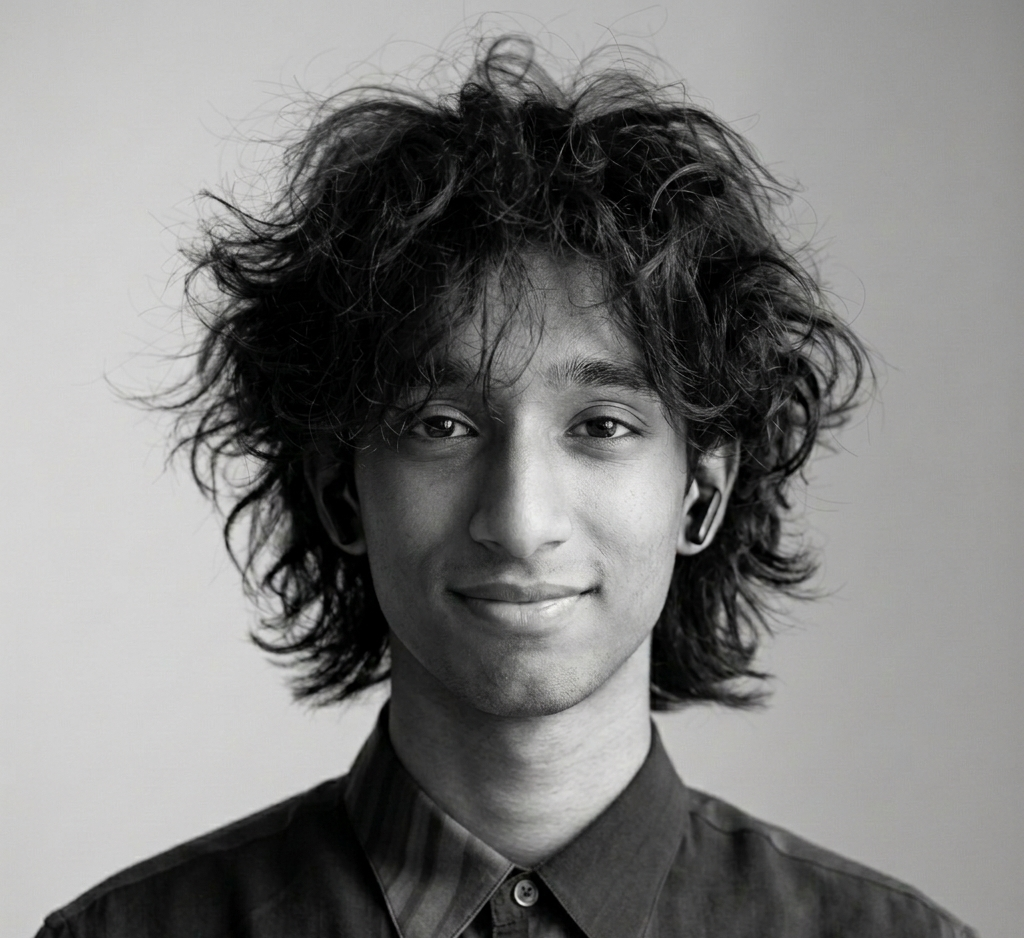
I'm Samarth Pandey — research associate at The Perrin Institute, NN Scholar at TKS, based in 🇮🇳 New Delhi, India. I build infrastructure for the next generation of AI and the people who build with it.
Gap year, small city in India, worn-out laptop. No mentors, no labs, no funding — still building. I move between aerospace, AI, neuroscience, and public policy as a generalist who follows hard questions wherever they lead.
ISEF '23 · Perrin · TKS · Zerobase S4. Also working on AINÉRA, Sensei, and selected as a MAI Global Leadership Summit 2026 delegate.
Building now
Three bets I think will matter over the next decade.
A community where people learn by shipping, not watching. Education is usually consuming content; HackSkool is creating it — a dojo for builders who break things and fix them.
An operating system for the fashion economy — designers, manufacturers, and consumers on one substrate for design files, supply-chain logistics, and direct-to-consumer sales. Fragmented, opaque industry; one unified bet on fixing it.
Biologically inspired memory architecture for intelligent agents — one pillar of AI infrastructure (memory, compute, storage, context). Recall, reason, and adapt across time like a brain, not a chat window.
How a kid from a steel city ended up on global stages without a lab.
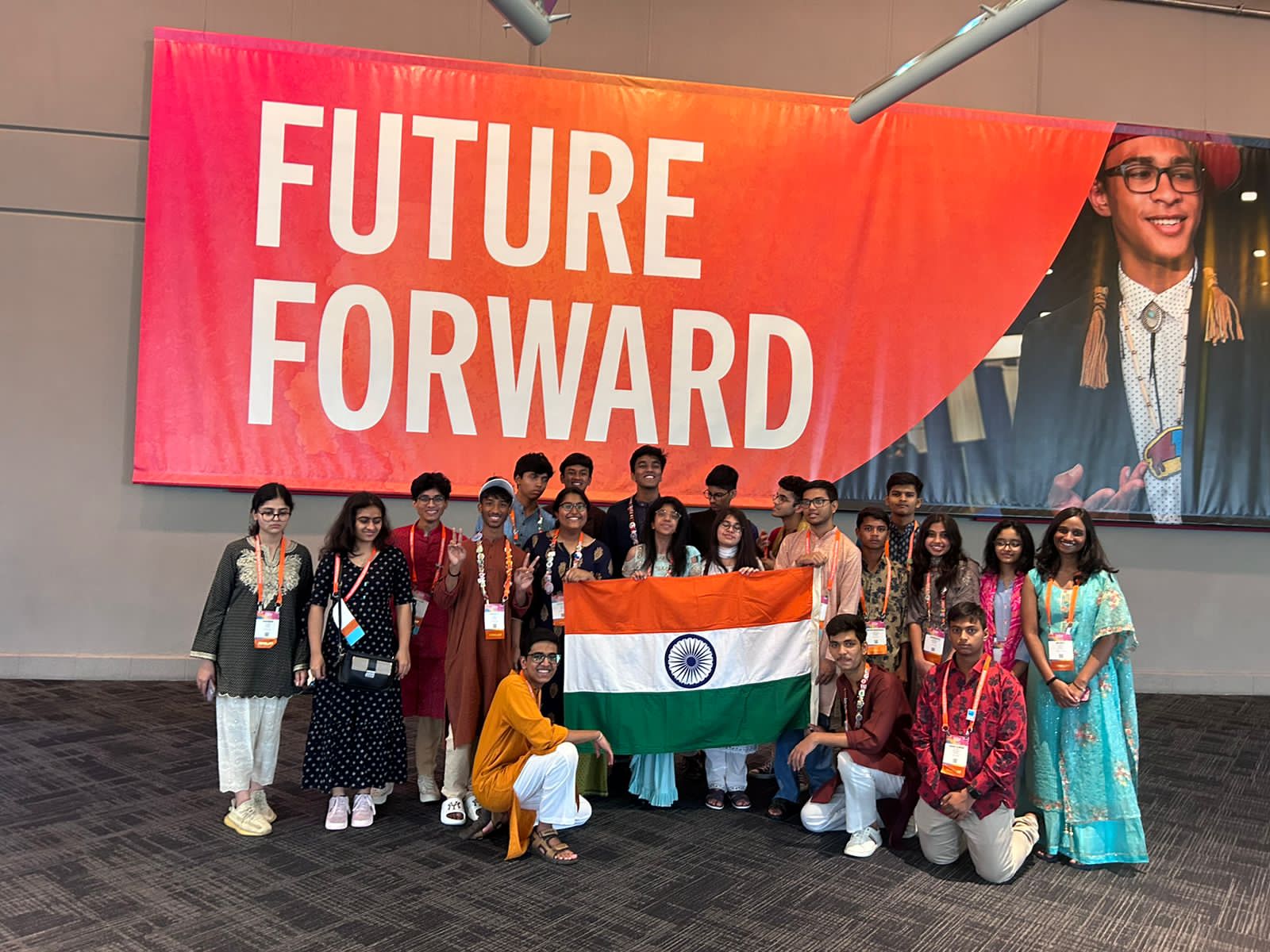
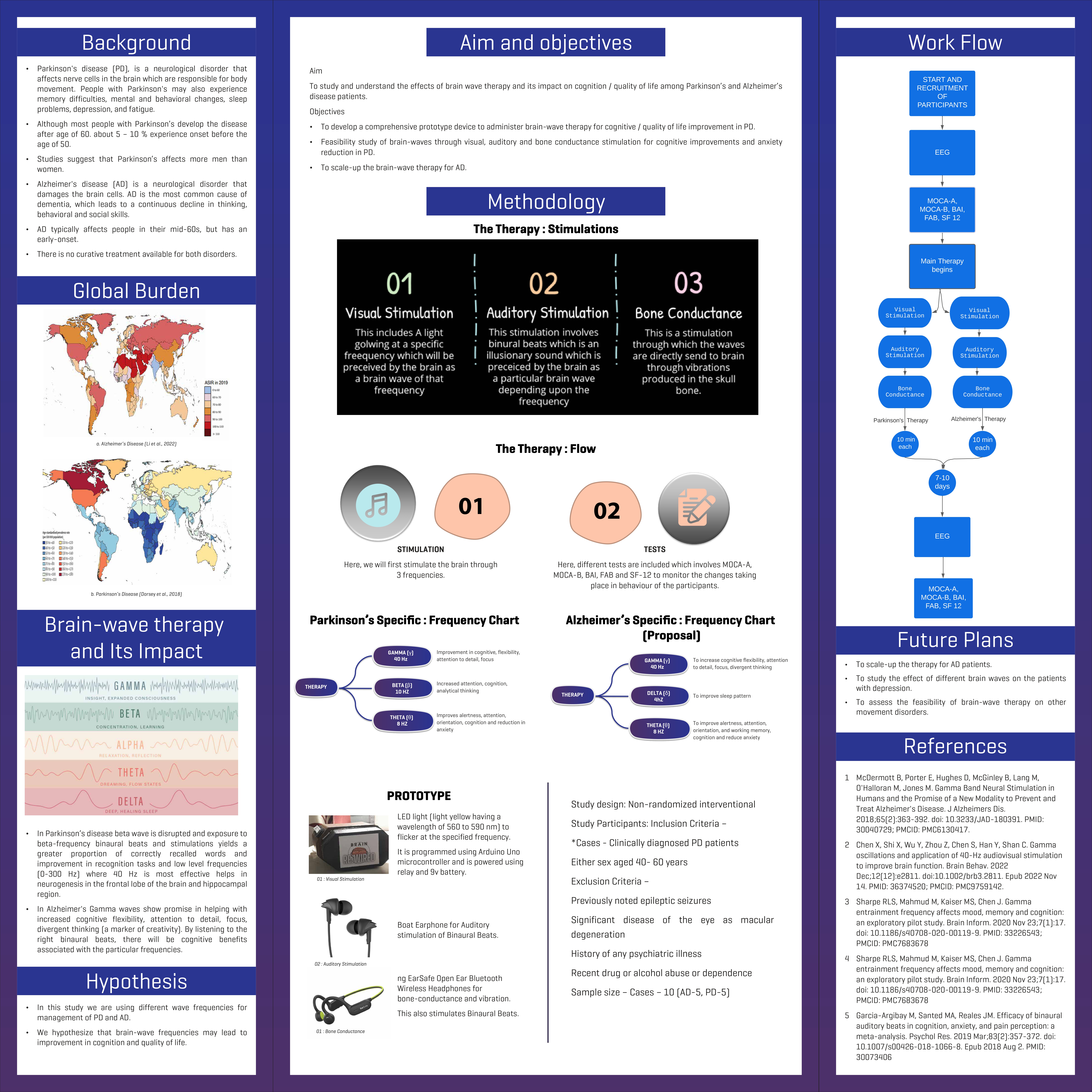
I grew up in Jamshedpur — a steel city where nobody talks about research or AI. I built my first research project, a brain-wave stimulation prototype for Alzheimer's and Parkinson's, in my bedroom with no lab and no mentor. That project went to Regeneron ISEF, and I represented India. Good research does not need prestige. It needs a question you cannot stop asking.
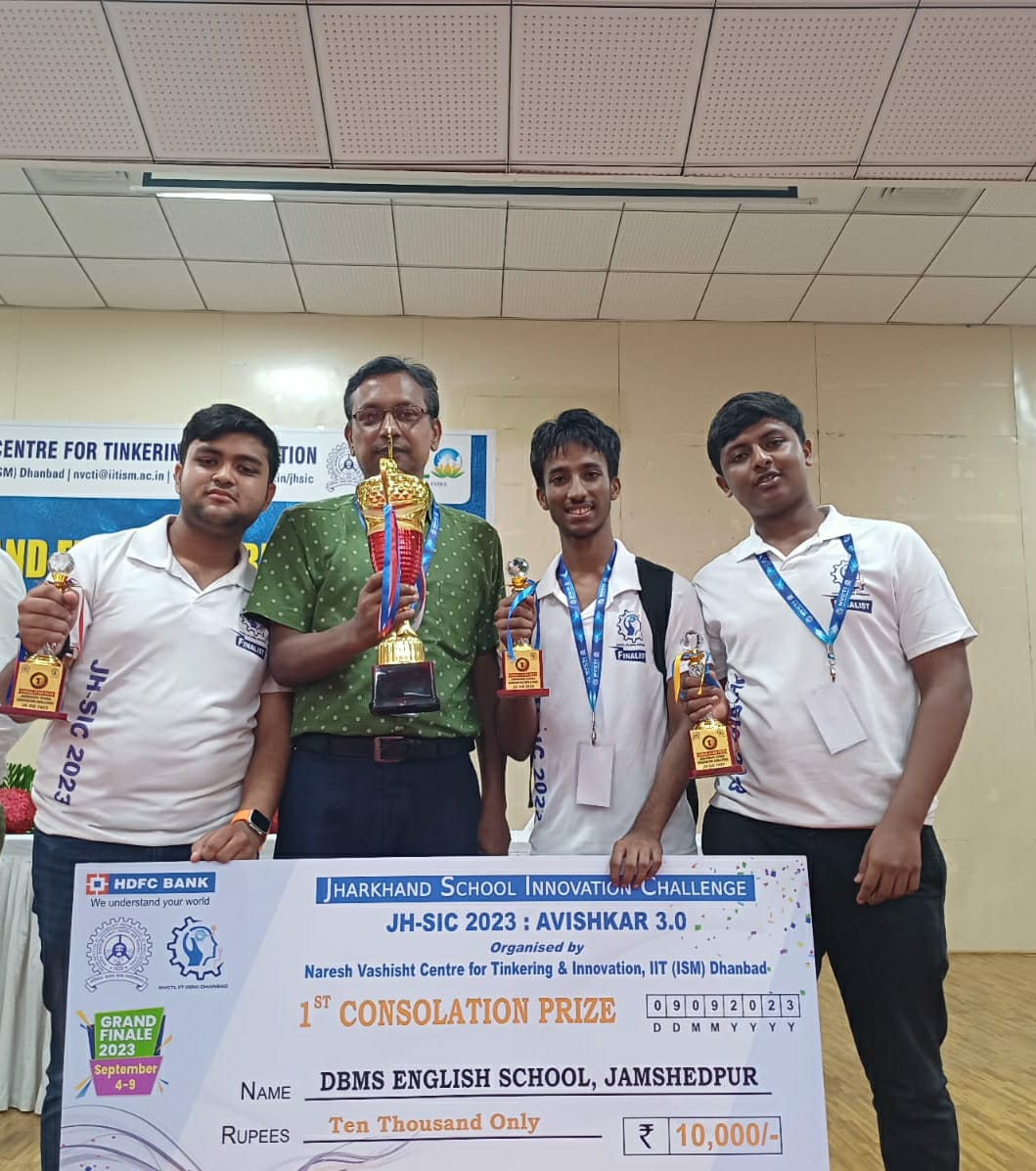
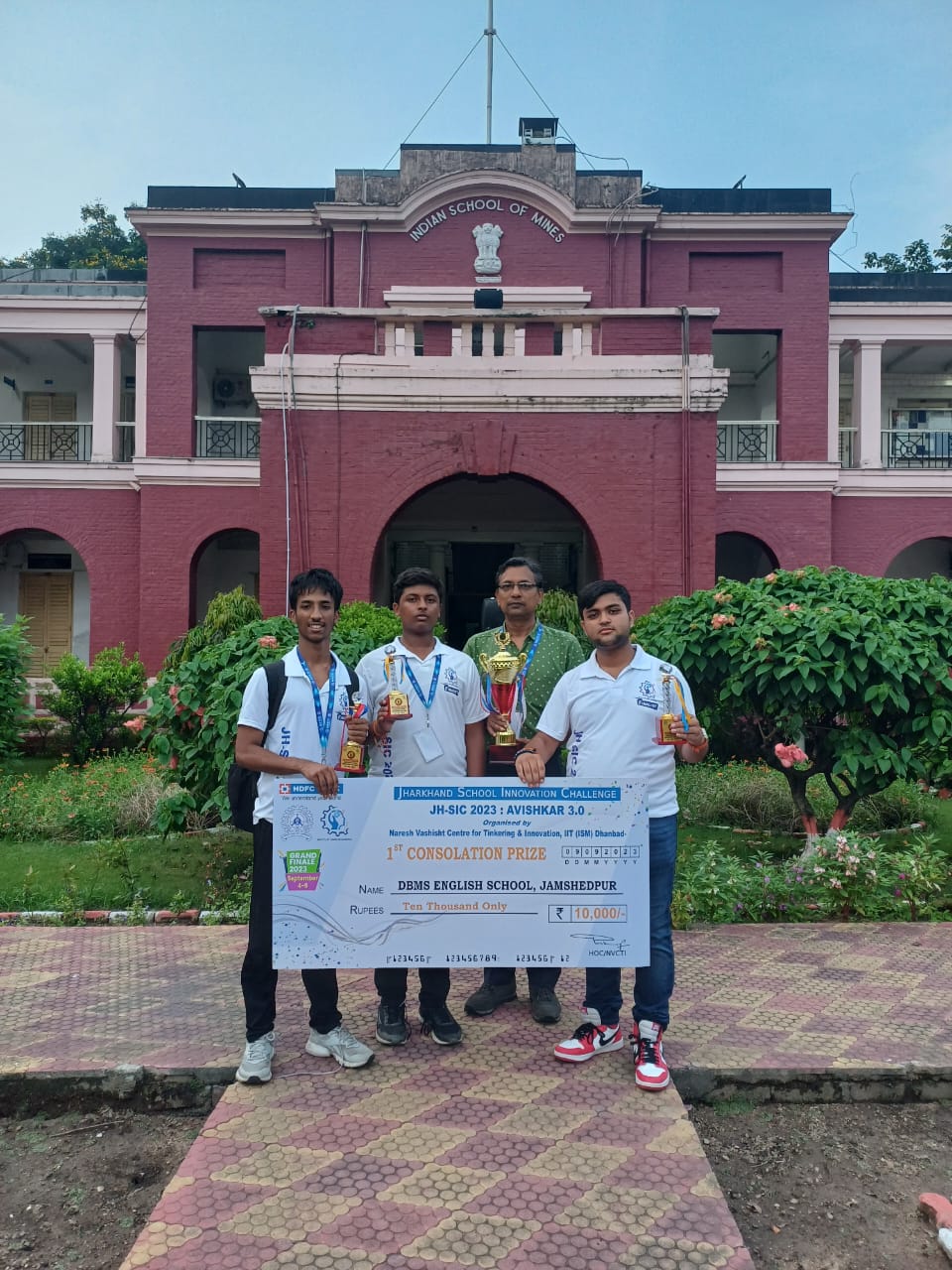
Earlier: Grade 7 landmine detector with Arduino and a first national competition in New Delhi. Grade 10: ISRO recognition for a swarm spacecraft debris concept. 2023: IRIS National Fair Grand Award → ISEF. Then Africa Science Buskers (Gold finalist), full ride to The Knowledge Society, TEDx Bistupur.
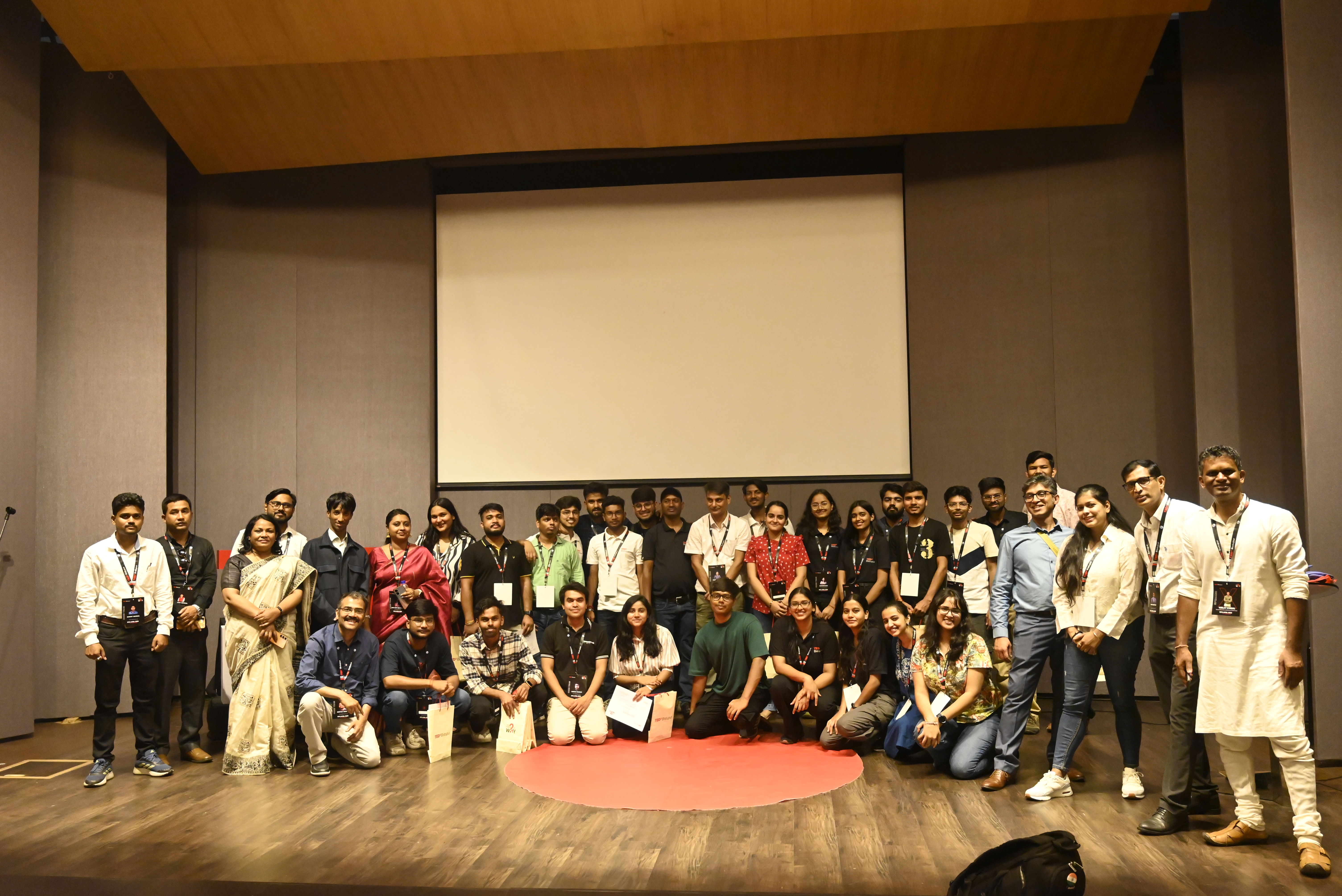
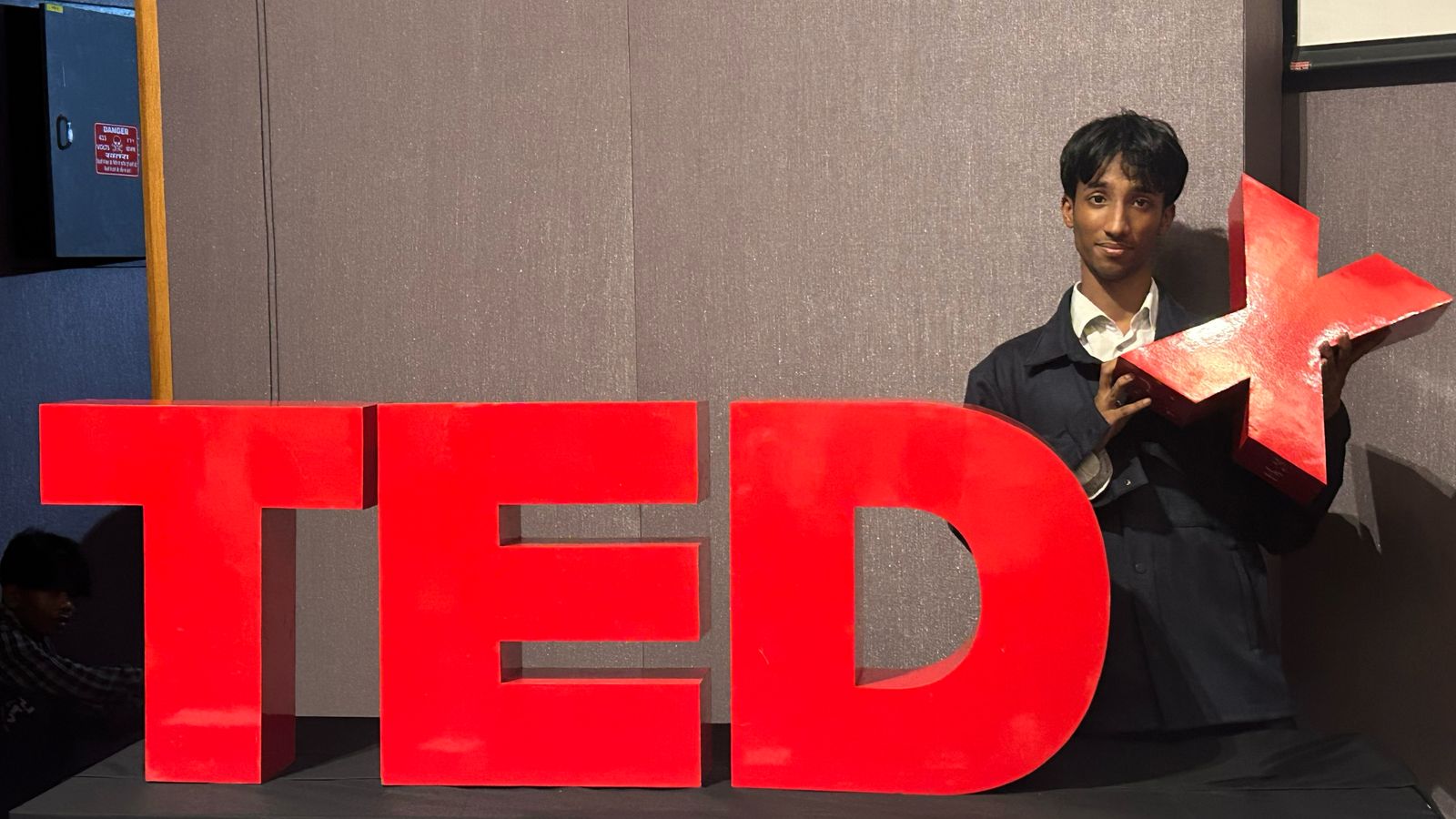
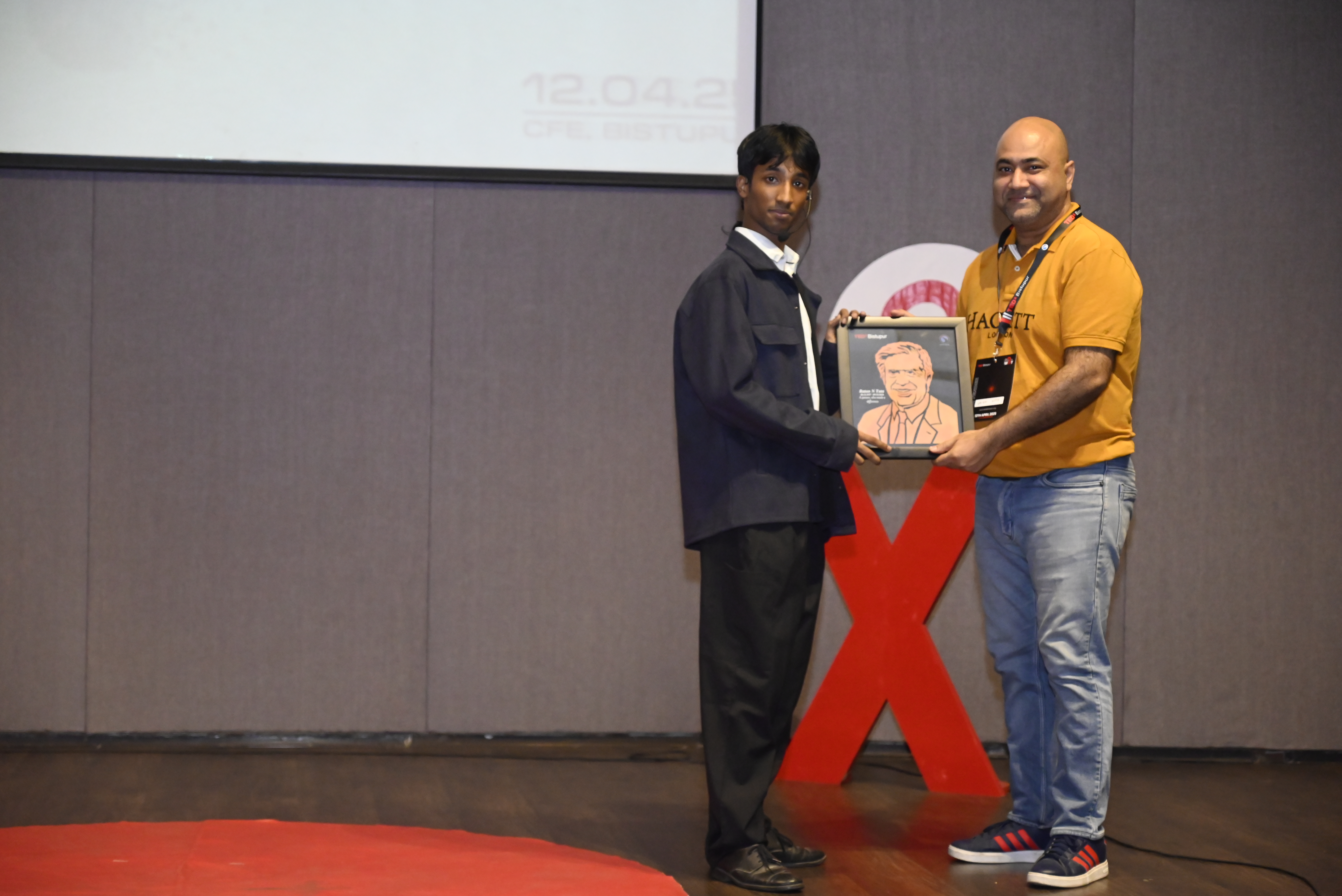
At TEDxBistupur 2025 I spoke on "The Neuroscience and Soul of Human Curiosity" — curiosity, constraints, and what it means to keep building when the room is not built for you.
Recognition
Institutions, competitions, and partners that shaped the work.
Experience
Programs, labs, and challenges — where the work happened.
Research Associate @ Perrin Institute
2025
Selected as 1 of 30 Research Associates globally (from 3,500+ applicants) to produce original research influencing federal agencies, foreign ministries, and forums including the UN General Assembly. Expert profile
The Knowledge Society
2024–26
• Innovate (2024–25) — Core AI, secondary BCI. Built 5+ AI platforms. NN Scholarship covering 100% of $5,890 tuition.
Triple-Stack Optimization — frequency-aware GPU scheduling, Dual-Partition AVF, and lightweight models projecting $3.8B annual savings and 2.1M ton CO₂ reduction for Azure-scale data centers.
TKS × XPRIZE Water Scarcity
2025
NABOR framework — nanofluidic-adaptive bipolar osmotic-responsive membranes for higher water flux and renewable-aware energy scheduling.
SPRING Group — EU Critical Raw Materials
2026
Co-author on formal public comment to the European Commission (Ref. Ares(2026)7371697) — institutional design for an EU CRM Centre with binding joint purchasing, stockpiles, investment support, market intelligence, and due diligence.
Student Innovator @ AIC ISB Mohali
2022
Eight-month internship (Grade 11) on a national-winning project hosted by Atal Innovation Mission, NITI Aayog.
Roote Fellowship RF8
2024
Full-ride scholarship ($6,000). Mentored by Rhys Lindmark. Building a disciplined 15+ hr/day practice; book manuscript 80+ pages in progress.
DBMS English School — Science Club
2024
VP (G11) then President (G12). 15+ events, 500+ students impacted. Sole recipient of Principal's Award and Maximum Contribution to Science among 500+ graduates.
Research & publications
Six (plus) papers across four domains — aerospace & AI, geopolitics & innovation policy, neuroscience, and political science — unified by one thread: understand complex systems at their foundations, then design interventions that actually work.
The biggest problems are not technical or political or scientific in isolation. They are all of these at once, and they demand researchers who can move between them.
Aerospace & AI
2024
Optimizing UAV-Assisted Relaying through Split Learning for Enhanced Distributed Inference in IoT-Based Ecological Monitoring
A hybrid framework that pairs UAV-assisted relaying with Split Learning so IoT ecological sensors can run distributed inference even where connectivity is sparse. UAVs act as intelligent relays that forward data and participate in collaborative model training, preserving privacy while cutting latency.
Addresses connectivity gaps and compute limits in remote and harsh terrains.
Adaptive server strategy that rebalances by real-time channel conditions and performance metrics.
Flexible trade-offs across data quality, inference latency, and node compute load; stronger accuracy under low SNR and high interference.
Mission concept for DivyaSat — a cost-effective CubeSat for atmospheric greenhouse gas monitoring, inspired by MeznSat and re-aimed at climate-critical gas flux.
Primary payload: Argus 2000 SWIR micro-spectrometer for CO₂ and CH₄ concentrations.
Secondary payload: high-definition camera for geolocation and contextual imaging of emission sources.
The Long Road to Freedom: Estonia's Baltic Way and the Soul of a Nation
Pandey, S. and others. The Perrin Research Institution Working Papers / SSRN, 37 pages. doi: 10.2139/ssrn.5438197
Study of the Baltic Way (23 August 1989) — ~2 million people across Estonia, Latvia, and Lithuania — and its lasting force on collective identity and memory politics under contemporary hybrid threats.
Centers on the 600 km human chain uniting the three Baltic capitals on the 50th anniversary of the Molotov–Ribbentrop Pact.
Frames the Baltic Way as pivotal anti-Soviet resistance that forged ethno-national identity and regional solidarity.
Traces how memory of the event has been preserved, contested, and repurposed from the Soviet era to the present.
Shows how peaceful resistance became a living symbol of self-determination still used against modern disinformation.
Hong Kong as a Strategic Gateway for Trusted Asia-Pacific Tech Innovation
Pandey, S. (co-authored with Nathaniel Nadler, Livia Kam, Vikram Ranganath, Storey Kuo, Ayushmaan Mukherjee, Finn Järvi). SSRN Working Paper Series, 29 pages. doi: 10.2139/ssrn.5399515
White paper on Hong Kong as a strategic gateway for trusted technology and financial innovation in Asia-Pacific — common law clarity, capital fluidity, and Greater Bay Area integration as a hard-to-replicate mix.
Maps financial infrastructure, regulatory sandboxes, IPO frameworks, and cross-border finance with GBA manufacturing and R&D.
Recommends sustaining an “Asia-Pacific innovation fortress” via legal transparency, adaptive regulation, and sober data-governance strategy.
Brain-Wave Stimulation as a Technique for Preventing and Treating Alzheimer's, Parkinson's, and Other Movement Disorders and Improving Cognitive Abilities
Pandey, S.. Regeneron ISEF, Behavioral and Social Sciences (Booth BEHA014); IRIS National Fair Grand Award path to ISEF
Prototype research on Brain ReWireo — auditory, visual, and bone-conduction brain-wave stimulation for symptom management and cognitive support in PD, AD, and related disorders. Explicitly framed as quality-of-life therapy, not a cure.
Delta/Theta for sleep and relaxation; Gamma (binaural) for memory and attention; mid Beta/Theta for anxiety and mood.
Multimodal entrainment via binaural beats and multi-channel stimulation toward more normative brainwave patterns over time.
Beyond the Ballot Box: How Ranked Choice Voting Influences Campaigns and Voter Engagement
Pandey, S. and others. The SPRING Group Research Paper Series
Empirical study of Ranked Choice Voting (RCV) effects on campaign strategy, voter behavior, and electoral integrity — written against 2025 state-level efforts to restrict or ban RCV across 17 U.S. states.
Analyzes data from 72 RCV elections (2004–2024) for a longitudinal view of system performance.
On 3M+ RCV ballots: ~1 in 20 had marking errors; roughly 10× more likely rejected than traditional ballots, with higher errors in low-income areas.
Documents how RCV pushes broader coalitions and second-choice appeals, reducing pure negative campaigning.
Balanced treatment of trade-offs: less polarization vs. educational and logistical load — no single prescriptive verdict.
Geopolitics & innovation policy
2026
Public Comment on the European Union Critical Raw Materials Centre
The SPRING Group (Videep Agarwal (Lead), Arik Karim (Advisor), Abhay Harika, Abhi Bhambri, Ethan Cui, Karina Yue, Samarth Pandey, Shivum Telang). Formal public comment to the European Commission call for evidence. Ref. Ares(2026)7371697 — 27/07/2026
Policy submission arguing that EU dependence on concentrated critical raw material supply chains — especially China — is no longer a theoretical risk but an industrial crisis. CRMA and RESourceEU set the right goals; they still lack institutional teeth. The paper proposes binding design for a CRM Centre across five pillars.
Context: China April 2025 rare-earth/magnet export restrictions; EU dependency extremes (e.g. 97% magnesium, 98% rare-earth permanent magnets).
Benchmarks the Commission’s JOGMEC-like ambition against Japan’s integrated ops, Germany’s Raw Materials Fund, and France 2030 mining capital.
Five pillars: joint purchasing (binding Centre contracts + TFEU Article 101(3) design), stockpiling (60–180 day tiers + legislated triggers), investment support (CfDs / revenue floors), market intelligence (mandatory reporting + firewalls), governance & due diligence (UNGP/OECD, IRMA, SME access).
Legal feasibility under Article 114 TFEU with Meroni-aware limits on delegated power; transparency to avoid market distortion and harm in partner countries.
Core claim: strategic autonomy without binding commitment is risk transfer — not resilience.
What it felt like to grow from classroom bench to world fair.
From The Knowledge Society to Regeneron ISEF to Perrin — each chapter has been curiosity with consequences. At Perrin I was one of 30 associates worldwide from 3,500+ applicants, focused on ethical AI governance and public-sector accountability. At TKS I built AI platforms and trained on BCI as an NN Scholar.
ISEF was the pivot: presenting Brain ReWireo — brain-wave stimulation for cognitive support and symptom management in neurodegenerative disease. Not a cure claim. A prototype and a research program for quality of life.
Ongoing directions: causal representation learning, neuro-symbolic architectures, and self-supervised systems with minimal labeled data — plus State-layer memory for agents that need to remember across time.
Research projects
Hardware, papers, and systems built outside the classroom.
AeroShield — Graphene-coated ZnO nanostructures that capture 95%+ of particles >1 µm, then Joule-heat to ~300°C to destroy pathogens rather than only trap them. Vivo Ignite Top 200.
UAV + Split Learning and DivyaSat are detailed in the Research section above — ecological IoT inference and a CubeSat GHG mission concept.
Face Recognition Attendance — Grade 9 kNN system recognized by Atal Innovation Mission. GitHub
Space Sweeper — ISRO-recognized tether-based debris mitigation swarm concept.
AI Audit Framework — continuous bias, transparency, and impact monitoring for deployed models.
Privacy-preserving UAV networks — environmental sensing with stronger privacy constraints.
Brain ReWireo — brain-wave stimulation for cognitive and symptom support in neurodegenerative disease (ISEF).
Projects
Demos and products shipped when the idea refused to leave.
It started with Sheero AI — India's first multimodal AI voice agent: real-time screen analysis, video interpretation, tutoring, graphs on the fly, even therapist mode. Demo
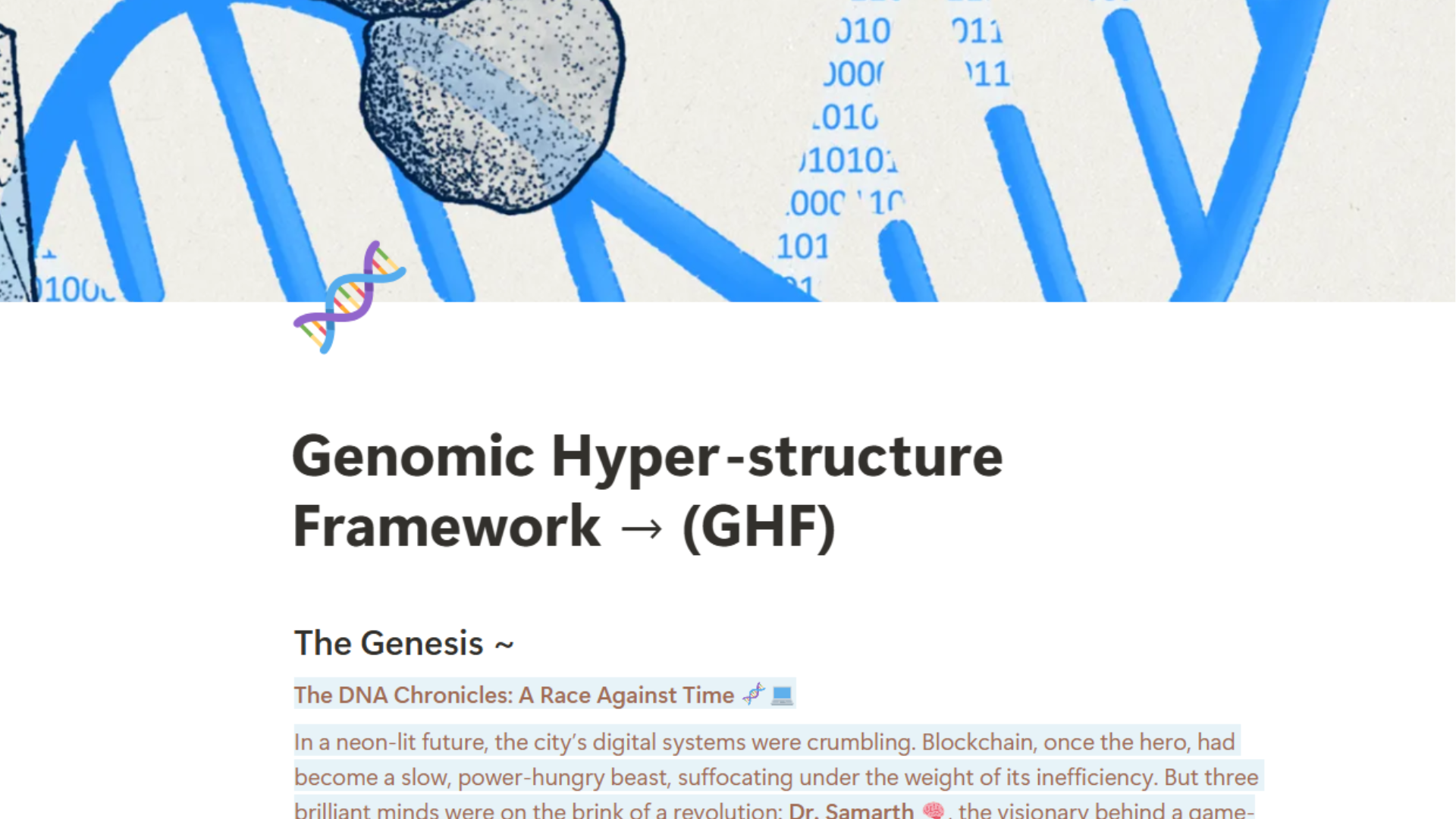
Genomic Hyperstructure Framework — DNA-inspired storage with synthetic nucleotide pairs, bidirectional access, and self-replication nodes. Demo
PollyMath — AI exam platform: PDF → auto-graded tests, live proctoring. 500+ students. Demo
VoiceBook — PDFs and video into podcast-style audio with AI hosts. Demo
Open Research Canvas — multimodal research chatbot and knowledge graphs. Demo
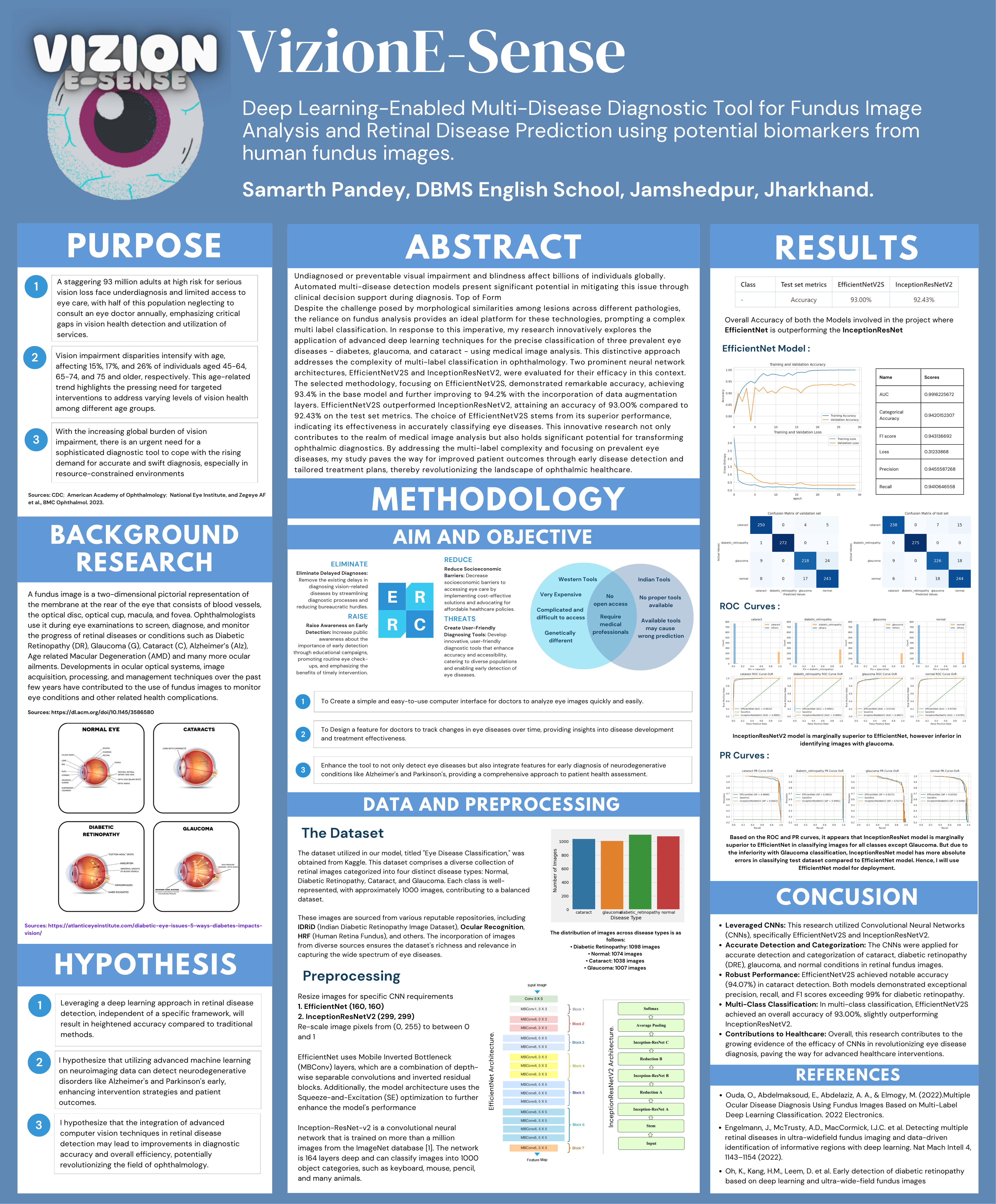
VisionSense — fundus image diagnosis at 92% accuracy; 60% faster clinical path in pilots. Demo
Awards & honors
Selected milestones from national labs to global stages.
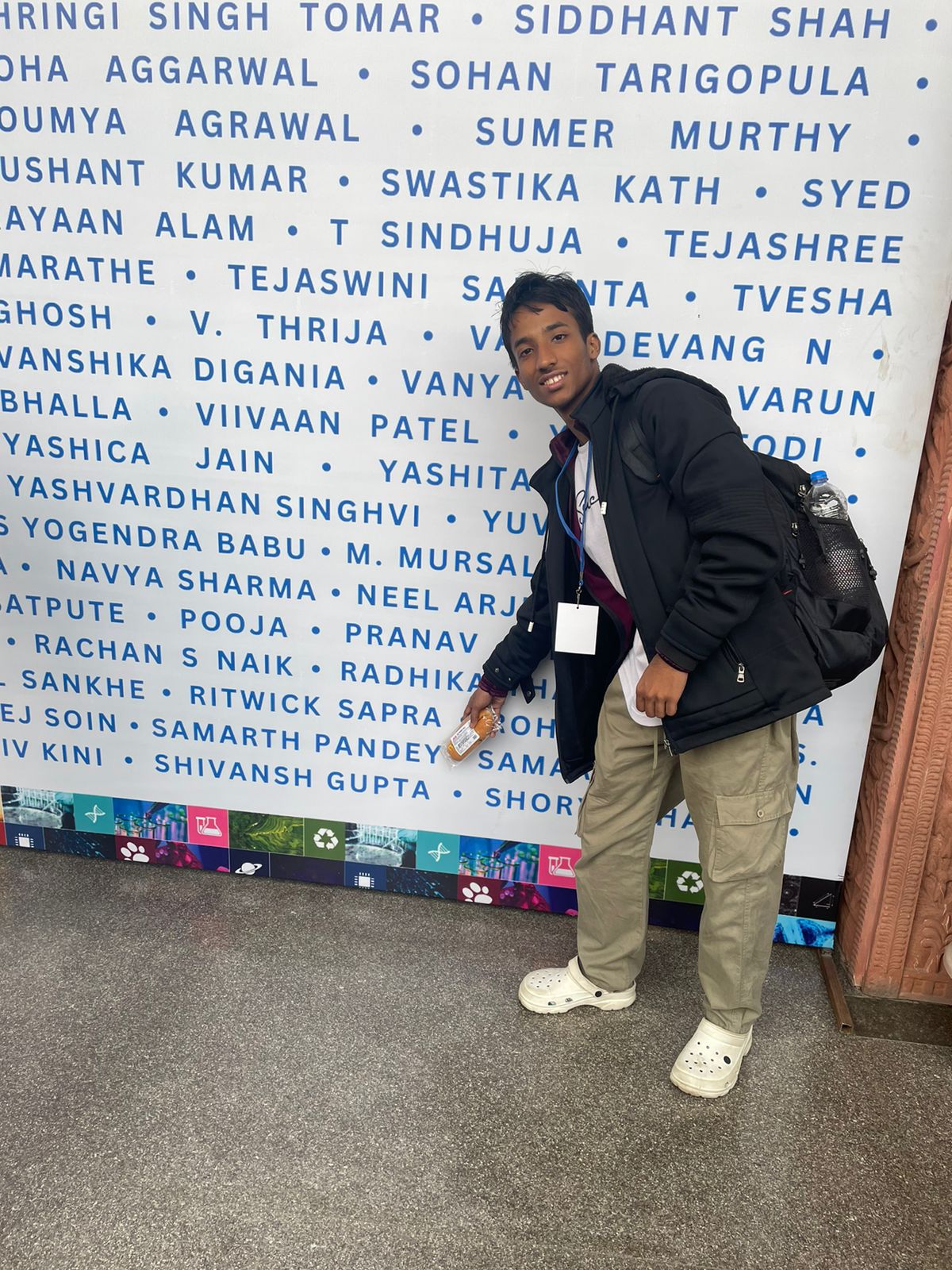
Regeneron ISEF Finalist— Society for Science, 2023 Represented India among 1,800+ students from 75 countries.
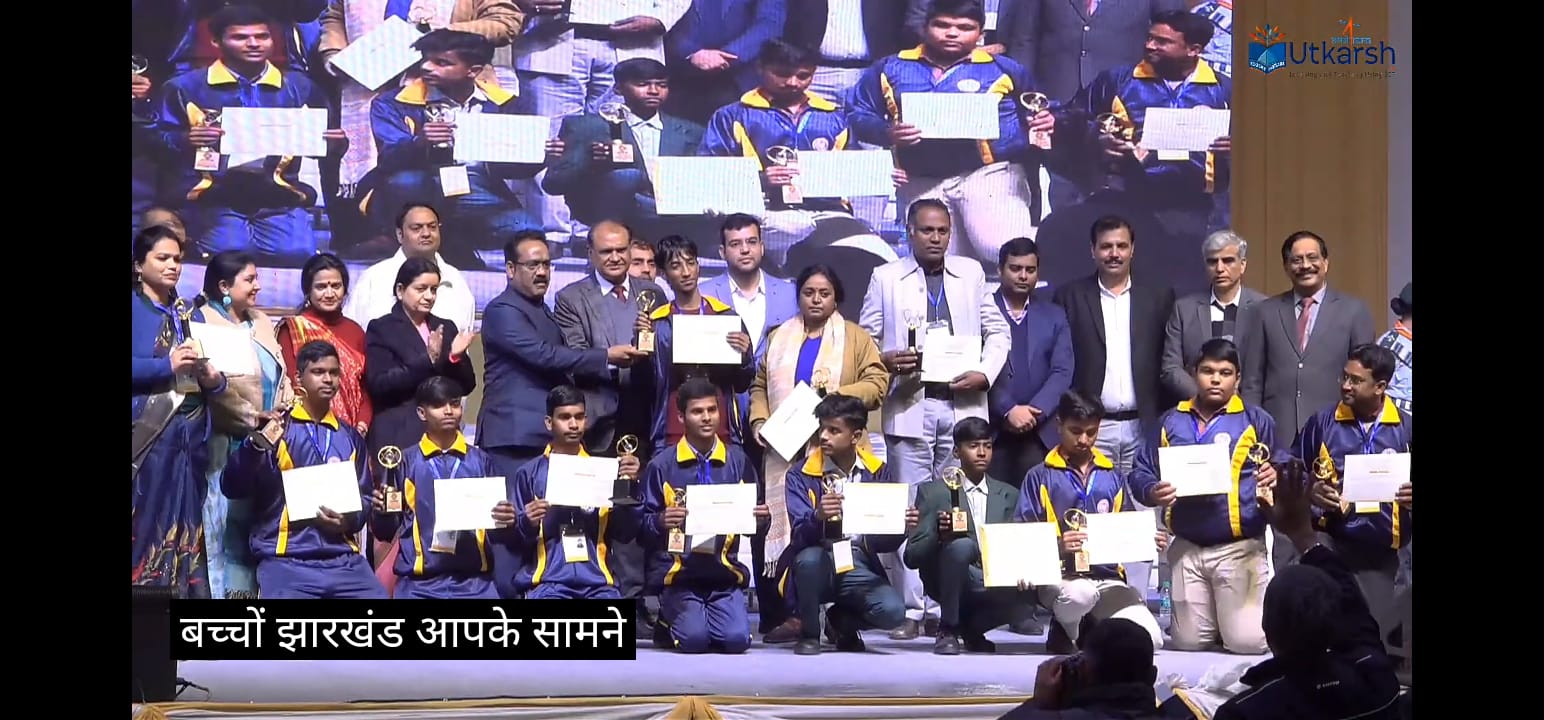
IRIS National Fair Grand Award— DST, Govt. of India, 2023 Grand Prize among 65,000+ students nationwide.
Africa Science Buskers Festival — Gold finalist— 2024 350 finalists from 2,000+ entries across 22 countries.
TEDx Bistupur Speaker— 2025 "The Neuroscience and Soul of Human Curiosity."
Vivo Ignite Top 200— 2025 Top 200 of 36,369 applicants — AeroShield.
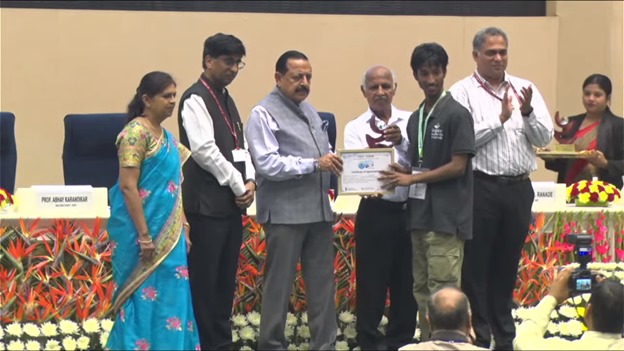
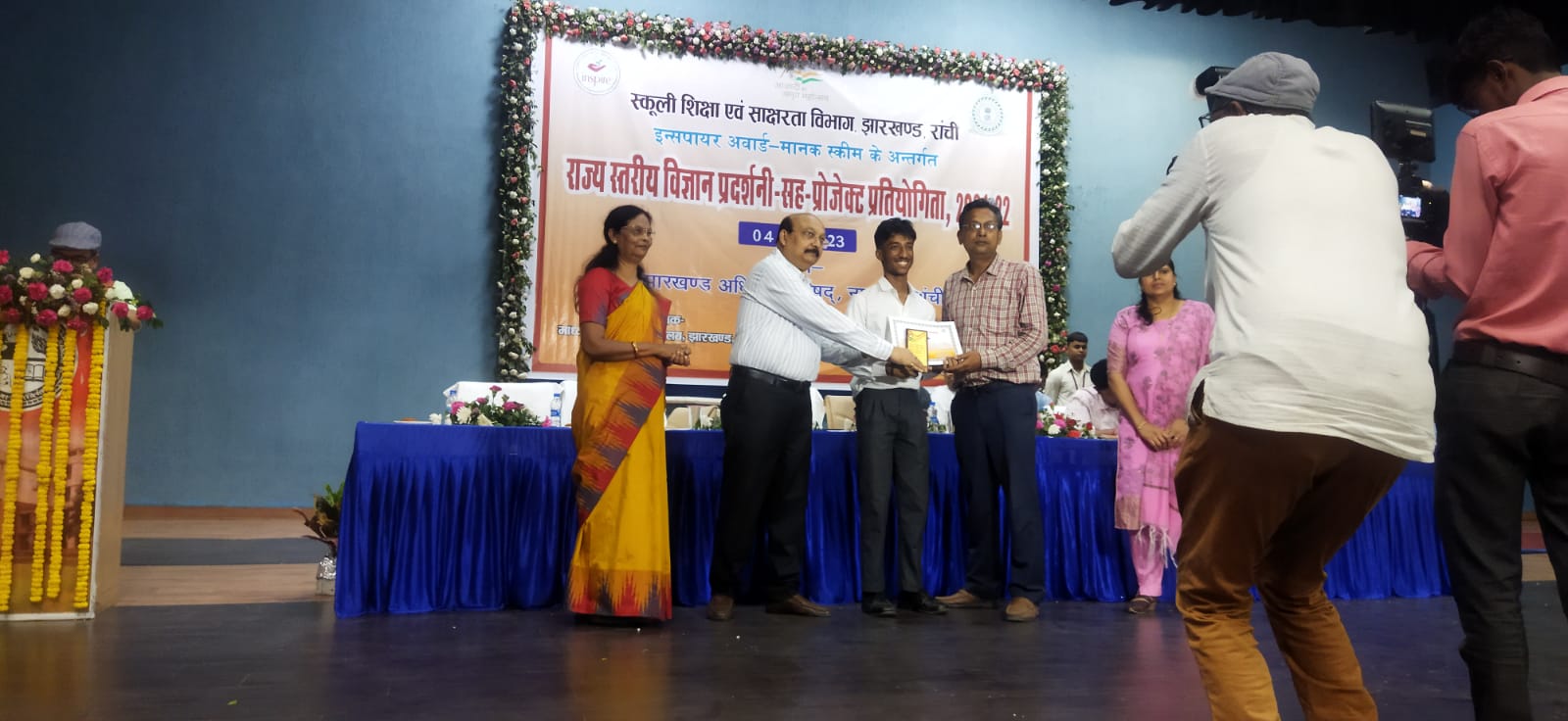
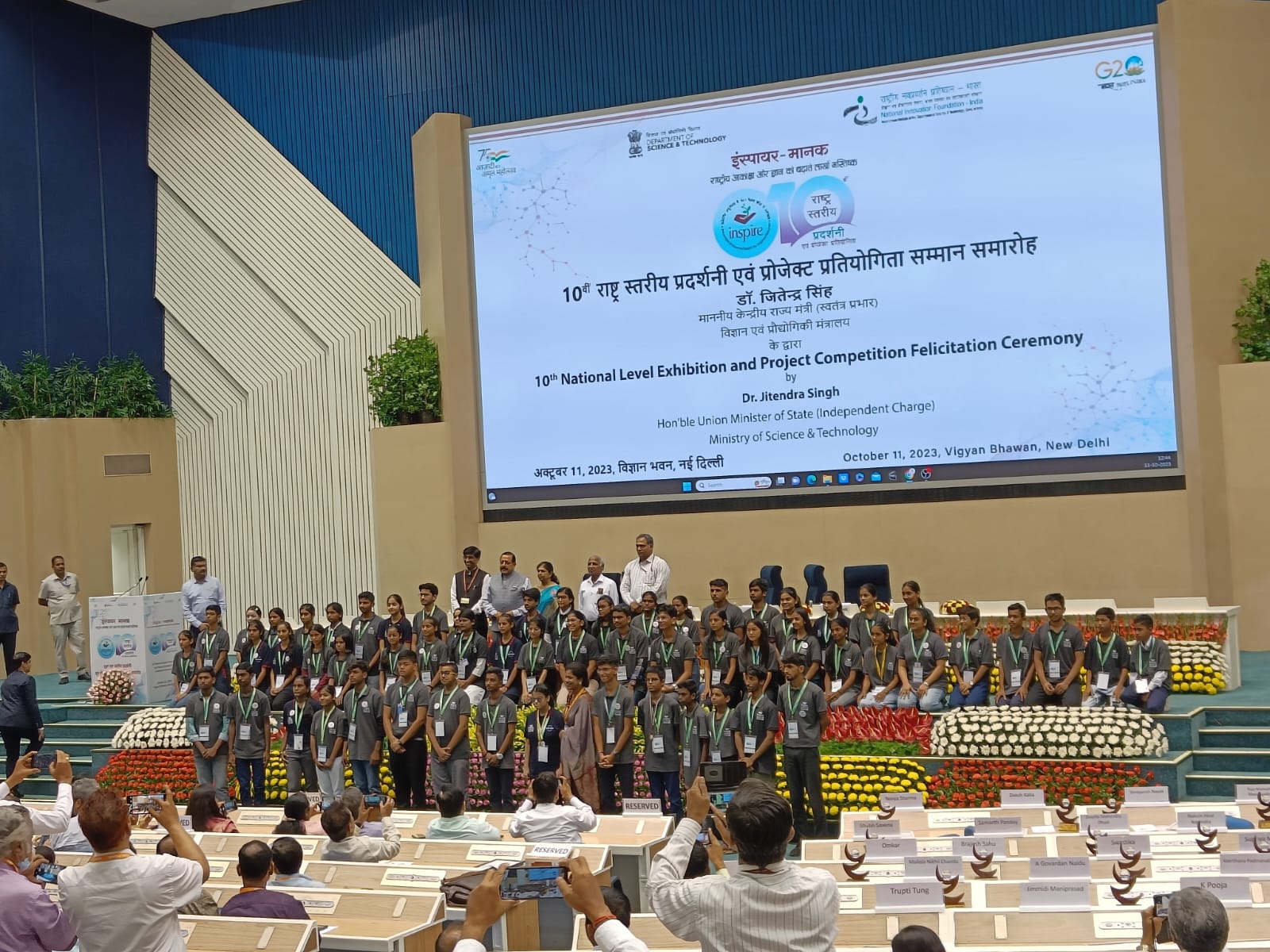
INSPIRE MANAK Top 60— DST & NIF, 2023
ATL Space Challenge Top 75— AIM & ISRO, 2021
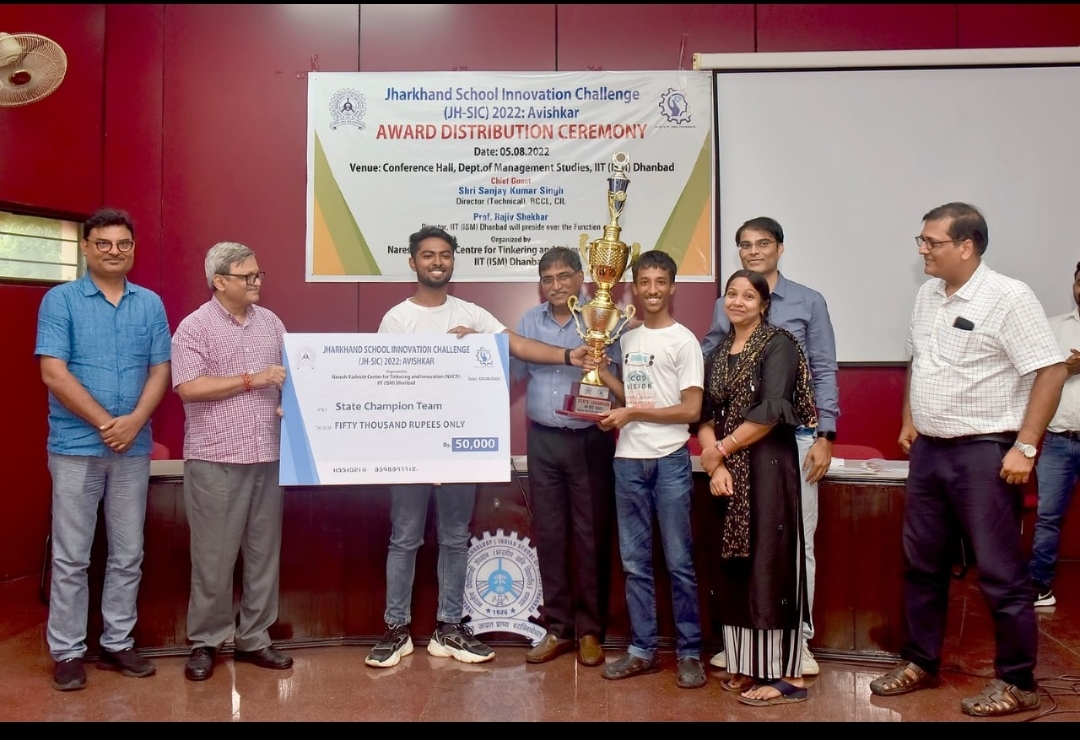
10× national competition & hackathon winner— Govt. of India, ISRO, NASA, IITs, NITs & more
Stack
What I reach for when it is time to design, code, and ship.
 X
X GitHub
 LinkedIn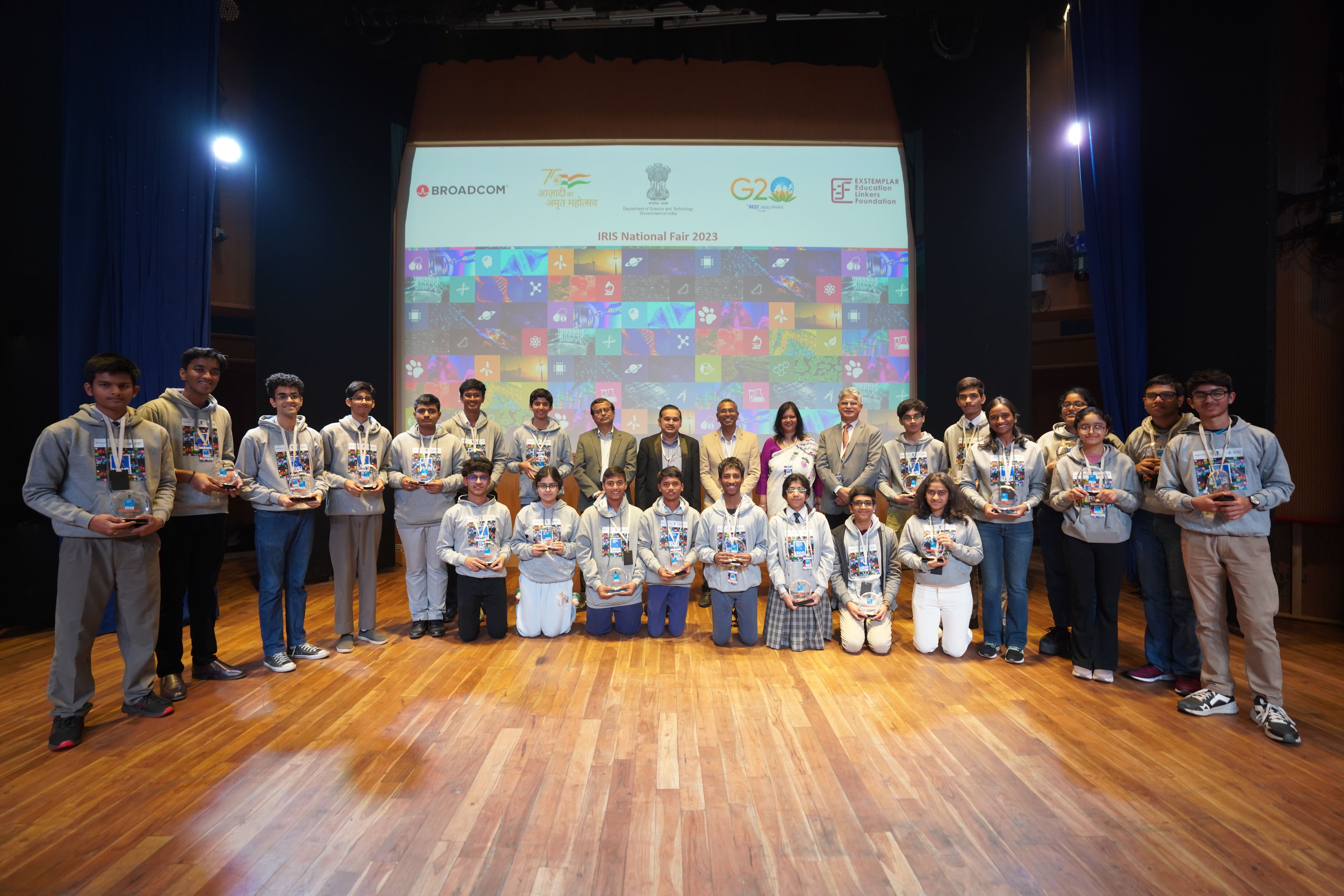
.jpg)
_Dhanbad_Logo.svg.png)
.jpeg)
.png)



.png)






.png)
.jpeg)
.jpeg)

.jpeg)
.JPG)
.JPG)